
Sell Land Without a Realtor in Arkansas: Who Handles Each Task?

Choosing not to hire a listing representative does not remove the work that a transaction requires. It changes who performs it. Before deciding that an owner-managed route fits, make a task list with a responsible person, an expected cost, and a way to verify completion. An unassigned task is not automatically covered by the buyer or closing provider.
This guide focuses on workload and decision points, rather than the privacy preferences discussed in our private-sale guide. It is general education, not legal or tax advice. Ask appropriately qualified professionals about your documents and circumstances. A smaller marketing budget should not become a reason to accept obligations you do not understand.
Define the Work Before You Sell Land Without a Realtor
Start with seven headings on paper: records, price, exposure, inquiries, inspections, contract review, and closing coordination. Under each, write the specific work your parcel appears to require. A remote timber tract may need a different set of questions from an unused town lot. The aim is a realistic job description, not a generic statement that selling without an agent is easy.
For each job, decide whether you will handle it, request a professional service, or ask what the purchaser proposes. Do not assign another party by assumption. If the buyer says it coordinates closing, ask which tasks that includes and which remain yours. A real estate agent can explain the services in a listing arrangement so you have a meaningful alternative to compare.
Consider your availability as well as your confidence. Can you answer inquiries during the day, arrange a safe visit, track document versions, and follow up on outstanding requests? Someone who could perform a task may still prefer not to manage it repeatedly. Control is useful when it is paired with enough time and a clear division of responsibility.
Prepare Vacant Land Records and Pricing for a Land Sale

Locate the deed copy, county parcel identifier, available acreage records, and any survey. Explain discrepancies and missing documents. If you only know the family nickname for the property, trace it to the records before marketing it. The Arkansas county assessor directory can help identify the office for assessment questions, not determine every transfer or boundary issue.
Pricing land requires a separate judgment about what information supports your expectations. An older purchase amount, an assessed figure, a neighbor's asking price, and an actual current proposal answer different questions. A land appraiser can explain the scope of a valuation service if you need an independent opinion. Keep the date, purpose, and assumptions attached to each figure.
If you decide to list your land yourself, establish how you will revisit an asking price when inquiries or new facts arrive. Do not treat a lack of response as proof of one particular cause. Exposure, access questions, condition, timing, and the clarity of the description may all need review. Ask for evidence rather than accepting the first confident explanation.
When you sell vacant land, distinguish present condition from hoped-for uses. Nearby infrastructure or an old plan does not prove current service or approval. A useful summary tells potential buyers what is documented and what they should investigate. It should not make unsupported claims simply to resemble another advertisement.
Manage Marketing and Potential Buyers Yourself
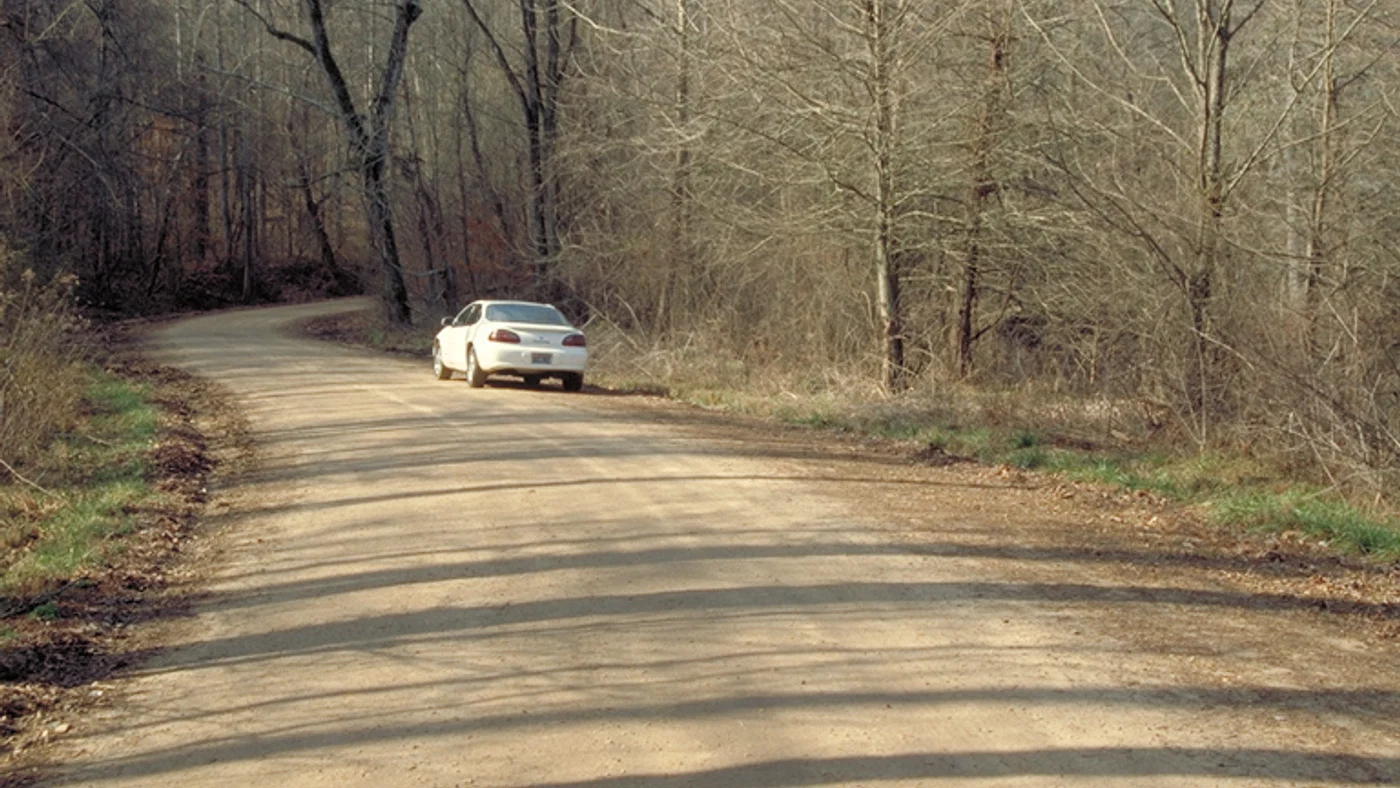
A public land listing needs an accurate location, clear photographs, an understandable description, and a reliable response method. Before posting land online, inspect what personal or access information will become public. Leave out gate codes, financial records, identity documents, and unrelated details about another person's home. A factual advertisement can be useful without exposing every part of your private file.
Marketing land also creates a maintenance task. Remove stale information and update material facts consistently across the places you use. Keep a dated master summary rather than editing each response from memory. If acreage or included parcels change, check every active description. Conflicting versions can make serious inquiries harder to evaluate.
Screen the inquiry by asking who is contacting you, what role they have, and what information they require next. A land buyer, intermediary, and representative may approach the same property for different reasons. Ask companies that buy land whether they expect to purchase directly or may assign an agreement. A friendly introduction is not a complete explanation of the contracting party.
Keep a contact log. Record the date, requested records, answers supplied, and agreed next step. This helps prevent duplicated effort and reveals whether someone is asking for sensitive information without a clear purpose. A cash offer deserves the same identity and terms review as another proposal; the payment label is not a substitute for understanding the counterparty.
Arrange Inspections Without a Real Estate Agent
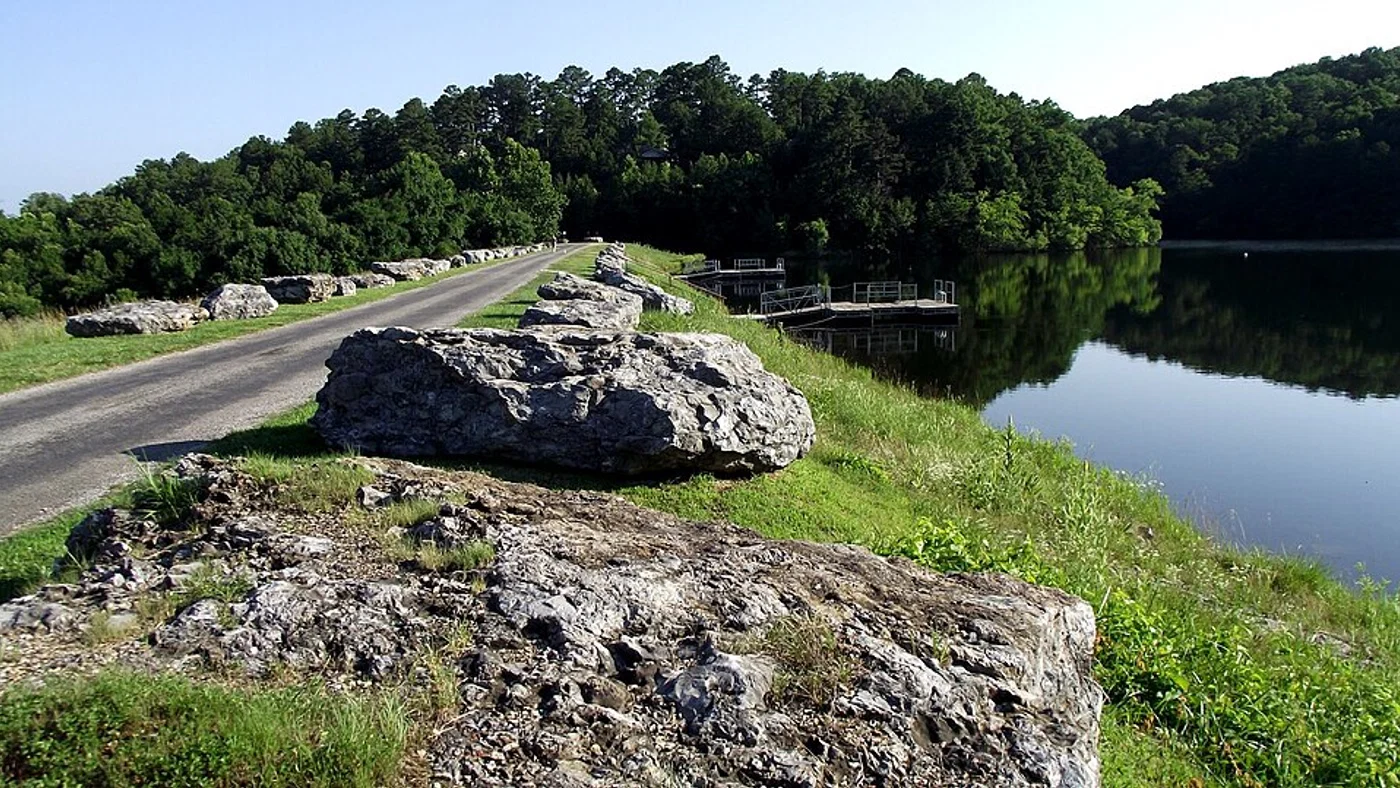
Decide how visitors will request access and who will coordinate the appointment. Identify gates, current users, animals, stored equipment, or other known practical concerns. Do not give a visitor instructions that depend on crossing someone else's property without verified permission. The physical route and any right to use it should be treated as separate questions.
If you cannot attend, explain the proposed arrangement and confirm the expected visitors. A person holding a key does not automatically have authority to negotiate or accept terms. Put those roles in the task list. Remote ownership can be manageable when everyone knows the scope of the visit and how unanswered questions will be communicated.
Do not commit to clearing or repairs before understanding whether the purchaser requires them. If work is proposed, identify its scope, cost, timing, and permission requirements. The current-condition guide explains how to organize those questions without treating an inquiry as an automatic renovation project.
Review the Purchase Agreement and Paperwork for Selling Land
A real estate attorney can help explain the obligations in the proposed purchase agreement. Confirm the parcel scope, sale price, review period, cancellation conditions, assignment rights, expenses, and possession. Ask how a later amendment changes the original. Keep complete versions rather than relying on a message that highlights only the most favorable change.
Title companies can describe their own services, document needs, and closing charges. Ask which tasks they handle and whether independent advice is needed on an issue outside that scope. An owner-managed sale does not mean that every participant represents your interests. The document and closing guide provides a checklist for this conversation.
Compare the gross amount with verified deductions and assigned work. Current property taxes, payoffs, service charges, and preparation costs should remain separate lines. Realtor fees are not the only expense that may matter. Before you sell your property, understand what the expected net figure includes and which amounts remain provisional.
A ready file may close in as little as 2 weeks. If you want to sell your land fast, ask which unfinished item determines readiness rather than treating the phrase as a universal deadline. Confirm how signatures, sensitive records, and payment instructions will be handled. Unexpected financial directions should be checked through a known contact.
Selling Land by Owner: Decide Whether the Route Fits
Return to the task list before accepting a proposal. Which jobs are assigned, which costs are estimated, and which questions remain unanswered? A sale by owner can be a practical choice when the work and conditions fit. It may be less suitable when your time, location, or need for professional support makes the unassigned work substantial.
Working with a realtor is another arrangement to evaluate, not a guarantee of a particular outcome. Compare actual service scope and written terms. If neither route fits, you can seek other advice or retain the parcel. The decision should come from the property and your circumstances rather than a blanket claim about what every owner ought to do.
After completing the transaction, retain the executed documents, final statement, transfer information, and records requested by your advisers. If you postpone it, keep the task list for the next review. Preparation remains useful even when the current answer is not to proceed.
Questions About Selling Vacant Land Without a Realtor
Does doing my own marketing mean I cannot use professionals?
No. Ask about specific services such as document review, valuation, boundary work, or closing coordination as appropriate to your situation.
Who answers questions the purchaser cannot verify?
Identify the relevant office or qualified professional. Do not turn an unanswered question into a promise simply to keep an inquiry moving.
Can I change routes before accepting obligations?
Review any existing commitments first. An initial inquiry is different from a signed agreement whose terms need appropriate advice.
What is the simplest readiness check?
Every necessary task should have a clear owner, an understood cost or estimate, and a way to confirm completion. Unknowns should stay visible.
Considering a private offer for your Arkansas parcel? Review our Arkansas land-selling approach or open the form to share the acres, state, property address, and county.